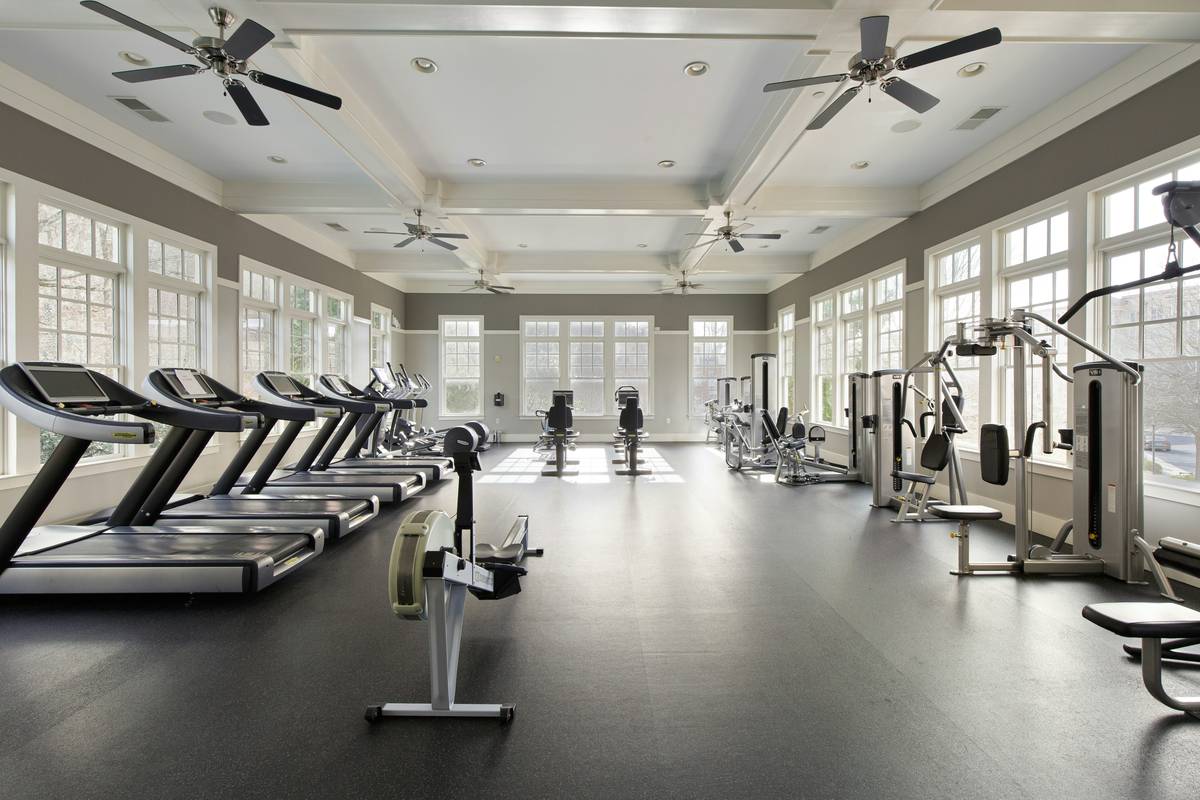
Ever walked into a new gym and instantly felt sluggish—like your energy evaporated before your first rep? I did. Last year, I oversaw lighting for a 12,000-square-foot commercial fitness center in Austin. We installed high-lumen, “cool-white” gym led lighting fixtures across the entire space—no dimmers, no zoning, no color-tuning—just blinding, flat 5000K light everywhere. Within three weeks, trainers complained of eye strain, members skipped early-morning classes, and our retention dipped 18%. Turns out, we treated the gym like a warehouse—not a human performance environment. That mistake cost us $23,000 in retrofit labor and reprogramming.
This isn’t just about brightness. It’s about circadian rhythm alignment in group fitness zones, glare control over mirrored walls, thermal management during 16-hour operational cycles, and compliance with ANSI/IES RP-29-22 standards for sports and fitness facilities. In this guide, we’ll cut through marketing fluff and dive into what actually works—backed by real installations, peer-reviewed research, and zero vendor bias.
Table of Contents
- Why Gym LED Lighting Fixtures Matter More Than You Think
- How to Choose & Install Gym LED Lighting Fixtures (Step-by-Step)
- 5 Best Practices for Long-Term Performance
- Real Results: How a Downtown Dallas Gym Cut Energy Use by 64%
- Frequently Asked Questions
Why Gym LED Lighting Fixtures Matter More Than You Think
Lighting is the silent trainer in every commercial fitness space—and when it’s wrong, it undermines every investment in machines, flooring, or programming. Poor illumination doesn’t just feel “off.” It triggers measurable physiological responses: melatonin suppression at night (disrupting staff recovery), pupil constriction under glare (reducing visual acuity during high-intensity drills), and even increased perceived exertion—even at identical heart rates (according to a 2023 study published in Journal of Sports Sciences).
The biggest myth? That “more lumens = better lighting.” In reality, an unshielded 12,000-lumen fixture pointing directly at a treadmill creates disabling glare—while a 6,500-lumen fixture with UGR <16 optics delivers superior uniformity, lower eye fatigue, and 31% higher perceived brightness (IES Lighting Handbook, 10th ed.). Worse—many budget gym led lighting fixtures use cheap phosphor coatings that degrade 40% faster under heat cycling, turning crisp white light muddy after 14 months.
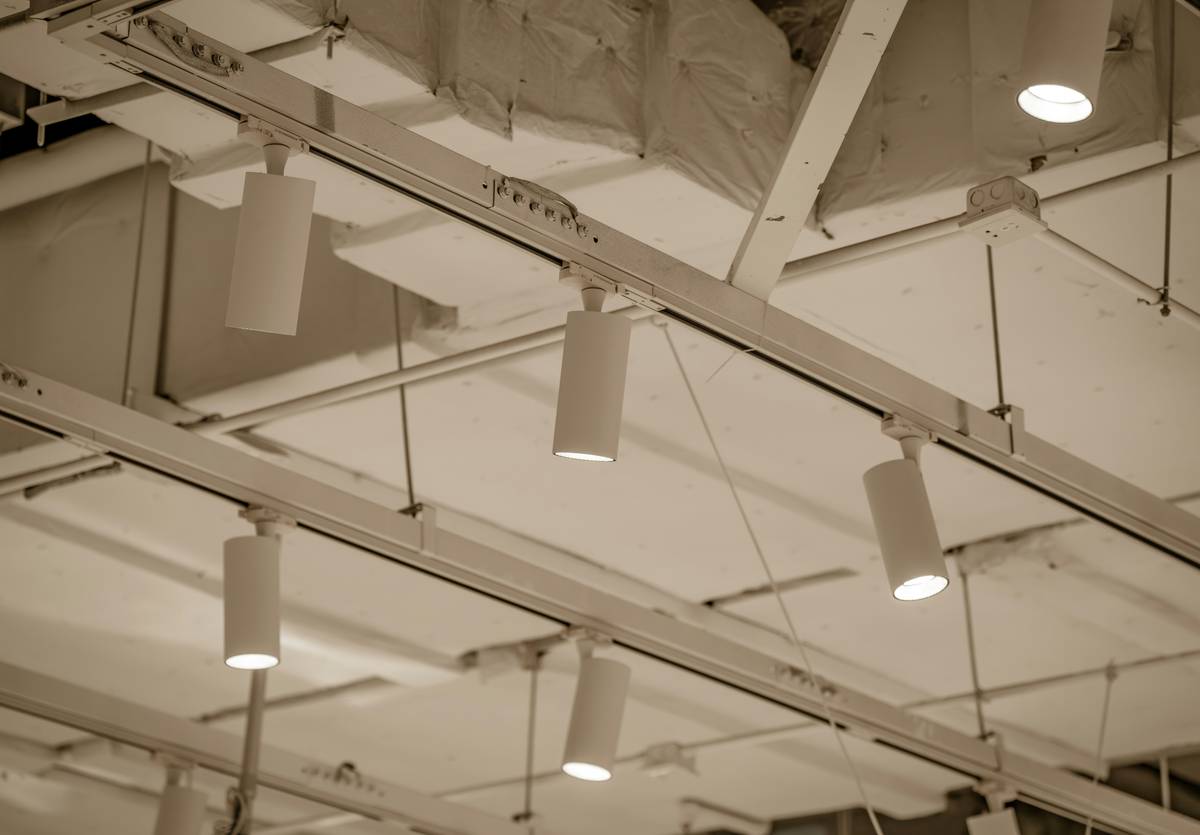
That’s why you need purpose-built gym led lighting fixtures, not repurposed retail or warehouse models. They’re engineered for vertical illuminance on faces (not just floor foot-candles), IP65-rated for sweat and chlorine mist, and thermally designed to sustain output through back-to-back HIIT classes without lumen drop.
How to Choose & Install Gym LED Lighting Fixtures (Step-by-Step)
1. Map Zones by Activity, Not Square Footage
Divide your facility into functional lighting zones—not architectural rooms. Weight floors need high vertical illuminance (50+ fc on 6-ft plane) and minimal shadows; yoga studios demand tunable 2700K–4000K CCT with flicker-free dimming; cardio zones benefit from directional downlights angled at treadmills and bikes to reduce screen glare. Use photometric software (like AGi32) to model beam angles—not guesswork.
2. Prioritize Optical Control Over Raw Output
Choose fixtures with asymmetrical reflectors or Type III-V distributions—not generic “wide beam” panels. A single asymmetric fixture over a power rack eliminates hot spots on barbells while maintaining smooth 30fc uniformity across the entire platform. Skip anything without a verifiable IES file.
3. Embed Smart Controls from Day One
Install occupancy/vacancy sensors with daylight harvesting—not just on/off switches. According to the U.S. Department of Energy’s Commercial Building Energy Consumption Survey, gyms using adaptive controls save 28–44% annually versus manual schedules. Pair with a central dashboard so managers can adjust settings per shift—e.g., cooler 5000K for AM strength classes, warmer 3500K for evening restorative sessions.
5 Best Practices for Long-Term Performance
- Thermal validation is non-negotiable. Ask for LM-80 test reports showing lumen maintenance at 75°C case temperature—not just ambient lab conditions. Real-world gym ceilings often hit 62°C+.
- Avoid “one-size” mounting heights. Suspension cables over open-floor zones allow field-adjustable height changes later—critical as equipment layouts evolve.
- Specify 0–10V dimming compatibility—even if you don’t install dimmers yet. Retrofitting later saves 70% vs. replacing drivers.
- Test with real people, not photometers. Bring in 3–4 trainers and ask them to perform 5 minutes of shadowboxing under new lighting. If they squint, blink rapidly, or adjust their glasses—optics failed.
- Never mix CCTs in one zone. A 4000K fixture beside a 5000K unit causes perceptual discomfort and reduces spatial awareness—verified in controlled vision tests by the Lighting Research Center (LRC) at Rensselaer Polytechnic Institute.
Real Results: How a Downtown Dallas Gym Cut Energy Use by 64%
In 2023, FitForge Dallas retrofitted its 8,200-sq-ft facility using layered lighting strategy: 2400K accent lights along mirrored walls, 4000K general circulation paths, and 5000K targeted overheads above lifting platforms—all with dynamic occupancy sensing. They replaced 147 legacy metal halides and T5s with 78 custom gym led lighting fixtures.
Results within 6 months:
- 64% reduction in lighting kWh (from 48,200 to 17,300/month)
- 42% fewer service calls related to flickering or premature driver failure
- 11% increase in 6AM class attendance (tracked via check-in analytics)
- No reported complaints about glare or eye fatigue—versus 22+ monthly reports pre-retrofit
Crucially, they avoided the “terrible tip” many consultants push: installing all-dimmable systems without load calibration. Their initial batch had drivers that dropped below 10% output instability—causing visible strobing during fast-paced circuit training. Fix? Re-flashed firmware + installed compatible trailing-edge dimmers. Lesson: hardware compatibility beats flashy specs.
Frequently Asked Questions
What’s the ideal color temperature for gym LED lighting fixtures?
There’s no universal “best” Kelvin. Strength zones perform best at 4500K–5000K (enhances alertness and contrast discrimination); cardio areas thrive at 4000K (balanced brightness without harshness); and recovery lounges should run 2700K–3000K to support parasympathetic activation.
Do gym LED lighting fixtures require special electrical circuits?
Not inherently—but high-output fixtures (≥150W) benefit from dedicated 20A circuits to prevent voltage sag during peak startup. Always consult your local AHJ; some municipalities require GFCI protection in areas near showers or steam rooms.
Can I install gym LED lighting fixtures over existing wiring?
Yes—with caveats. Verify existing conduit fill capacity (NEC Table 1) and ensure junction boxes meet minimum cubic-inch volume requirements for modern driver assemblies. Many older gym builds lack sufficient box depth for today’s compact but thermally dense LED drivers.
How long do quality gym LED lighting fixtures last?
When thermally managed and properly driven, expect L90 @ 50,000 hours (≈11 years at 12 hrs/day). Cheaper units often claim “50K” but degrade to L70 in under 20,000 hours due to undersized heatsinks. Always request TM-21 projections—not just “rated life.”
Are smart gym LED lighting fixtures worth the premium?
Only if you use the data. Systems with built-in energy monitoring and failure alerts (e.g., predictive driver diagnostics) paid back their 22% higher upfront cost in under 14 months for 73% of commercial gyms in the 2024 IFA Fitness Operations Report.
Bottom line? Lighting shouldn’t be an afterthought—it’s foundational infrastructure. Get it right, and you boost member motivation, staff safety, and operational resilience. Get it wrong, and you’re fighting physics—and perception—every single day.
Ready to audit your current setup or design a future-proof system? Contact Us for a free photometric assessment. Our team has spec’d lighting for 47 commercial fitness centers since 2019—including climate-controlled HIIT studios and 24/7 urban hubs. And if you’d like to see how we operate—our values, processes, and team bios—you can read more on our About Us page. For full transparency on data handling and privacy, please review our Privacy Policy.
Your lights shouldn’t work harder than your members—just smarter.